

When we shop for skincare, we're usually focused on what's inside the bottle. Are the ingredients clean? Will they be good for our skin? But what about the bottle itself? Biodegradable packaging for cosmetics is all about designing containers that can break down naturally, returning to the earth without leaving a mess behind.
Aligning Your Beauty Routine with Nature
Opting for clean beauty is a conscious choice to treat your body with pure, effective ingredients. Why not apply that same thinking to the packaging? When we pick products in biodegradable containers, we're extending that act of care from our own wellness to the well-being of the planet.
This simple shift connects our self-care routines to a bigger picture. It’s not about being perfect, but about making small, mindful choices that add up. Every time you choose a product with eco-friendly packaging, you’re supporting a cycle of care that reaches far beyond your bathroom shelf.
The Gentle Power of Conscious Choices
Thinking about biodegradable packaging isn't just a technical detail; it's part of a lifestyle that values harmony with nature. It’s a quiet acknowledgment that every product we use, from the formula to the jar, is part of a larger ecosystem.
- Extend Your Wellness Philosophy: If you love products with nourishing botanicals, choosing a biodegradable container applies that same "back to nature" philosophy to the packaging.
- Support a Thoughtful Industry: Your choices send a clear message, encouraging more brands to invest in materials that are kinder to the environment.
- Create a Mindful Home: Filling your space with products that reflect your values can bring a real sense of purpose and calm to your daily rituals.
By thoughtfully considering the entire lifecycle of a product—from its creation to its return to the earth—we transform a simple purchase into a meaningful act of stewardship.
This is all about awareness and empowerment. Learning about sustainable options, much like discovering which natural ingredients for glowing skin are best for you, helps build a routine that feels good from the inside out. It's a beautiful way to harmonize your personal care with the world around you, turning everyday moments into opportunities for positive change.
Decoding Common Eco-Friendly Packaging Terms
Walking down the beauty aisle, you're bound to see words like "biodegradable," "compostable," and "recyclable" on your favorite products. It can feel like you need a special dictionary just to understand the labels. But figuring out what these terms really mean is the first step in making choices that feel good for both you and the planet.
Before we jump in, it helps to have a clear picture of what packaging even entails, including understanding the distinction between packaging and shipping supplies.
Think of these labels as different roadmaps for your empty container. Each one describes a unique journey the packaging takes after you're done with it, leading to a very different destination. And just like a seed needs the right conditions to grow, this packaging needs the right environment to break down properly.
The connection between our self-care routines and caring for the earth is stronger than we often realize. Small, mindful choices can bridge the gap between personal wellness and planetary health.
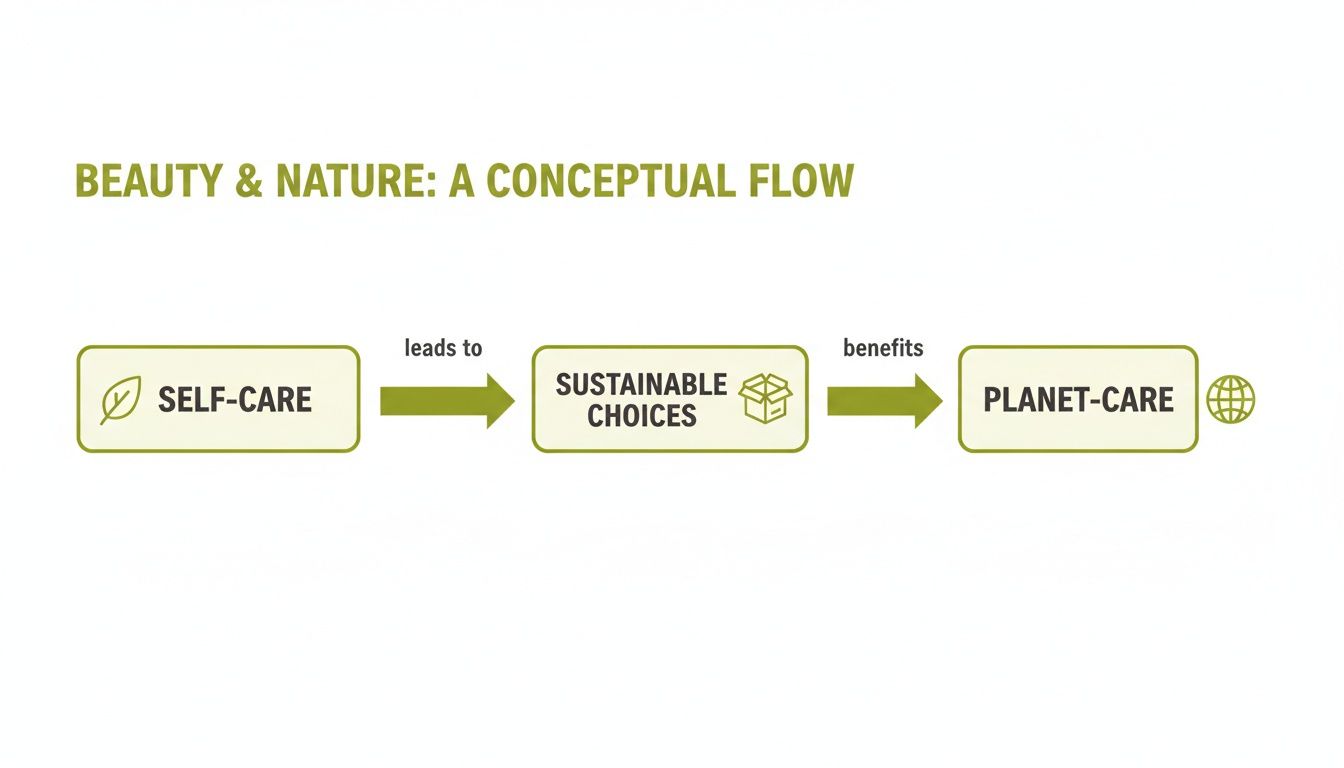
This idea of connection is at the heart of sustainable packaging. Let's break down the key terms you'll encounter.
So, What Is Biodegradable?
At its simplest, biodegradable means a material can be broken down by living things like bacteria and fungi. It's a promise that, given enough time, the packaging will return to nature.
The catch? "Enough time" is a very loose term. Some biodegradable materials might decompose in a few months, while others could linger for years, especially if they end up in a landfill starved of the oxygen and microbes needed to do the job. So, while the idea is great, the real-world outcome depends entirely on where the packaging ends up.
And What About Compostable?
Compostable is like a more specific, high-achieving cousin of biodegradable. This label means the packaging has to follow a certain set of rules. To earn it, a material must break down into natural elements in a composting facility within a specific timeframe, usually around 180 days.
The best part? When composted correctly, these materials don't just vanish—they transform into humus, a nutrient-rich soil conditioner that helps gardens thrive. This makes it a genuinely circular option, but it all hinges on having access to an industrial composting facility or a well-managed home compost pile.
Here's the key difference: all compostable packaging is biodegradable, but not all biodegradable packaging is compostable. Compostable materials meet a higher standard for how they break down and what they leave behind.
Recyclable: The Path We Know
Most of us are pretty familiar with recycling. Recyclable packaging is made from materials—think glass, aluminum, certain plastics, and paper—that can be collected, processed, and melted or pulped down to create brand-new products.
This process gives materials a second, third, or even fourth life, turning an old face cream jar into part of a new one. It's a fantastic way to conserve natural resources, but its success depends on good local recycling programs and all of us doing our part to clean and sort our containers correctly.
Understanding Packaging Terms at a Glance
To tie it all together, this simple chart breaks down the differences between these common terms. Think of it as your cheat sheet for decoding labels on the go.
| Term | What It Means | How It Breaks Down | Typical End Result |
|---|---|---|---|
| Biodegradable | The material can be broken down by microorganisms over time. | Decomposes naturally, but the timeline can vary greatly depending on conditions. | Natural elements like carbon dioxide, water, and biomass. |
| Compostable | The material breaks down in a specific composting environment. | Breaks down within a set timeframe (e.g., 180 days) under controlled conditions. | Nutrient-rich compost that can be used to enrich soil. |
| Recyclable | The material can be reprocessed into new products. | Is melted, shredded, or pulped at a facility to create raw material. | New bottles, containers, paper products, or other goods. |
Now you're equipped to read those labels with confidence. Understanding these simple distinctions helps you make choices that truly align with your values, supporting both your well-being and the health of our planet.
Exploring Plant-Derived Packaging Materials
We've all come to love plant-based ingredients in our beauty products, but what if the packaging itself came from the same source? That’s the idea behind the most innovative biodegradable packaging today. Brands are looking directly to the earth for materials that can protect our favorite formulas and then gracefully return to the soil.
This isn’t just about swapping one material for another; it’s a complete shift in thinking. Instead of starting with petroleum, designers are turning to renewable resources like corn, sugarcane, bamboo, and even recycled paper pulp. It’s a move that honors the planet as much as the product inside.
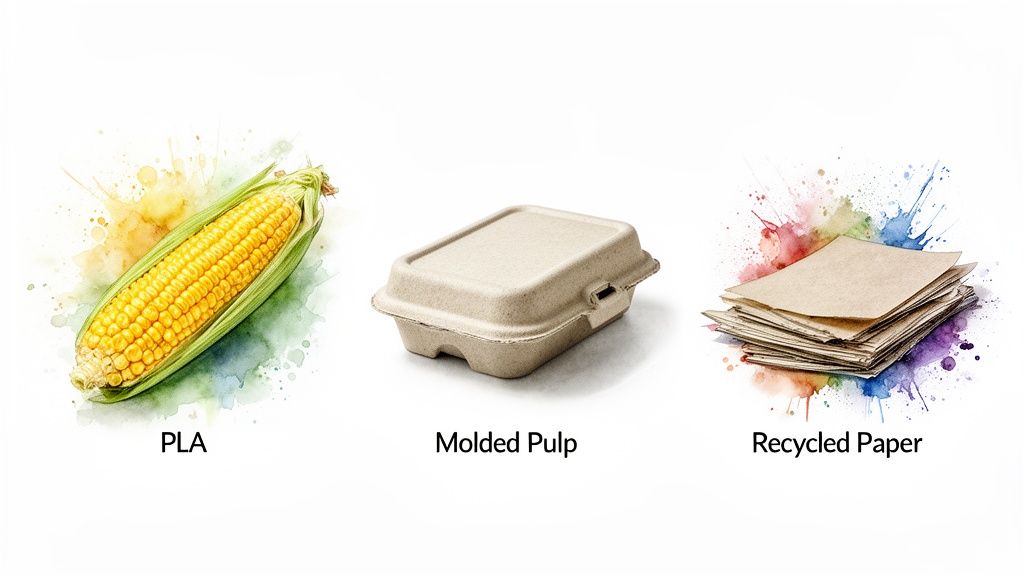
PLA From Corn and Sugarcane
One of the most common materials you'll see is Polylactic Acid, or PLA. Don't let the scientific name fool you—its origins are surprisingly humble. PLA is a bioplastic made from fermented starches found in plants like corn and sugarcane. It looks and feels a lot like conventional clear plastic, but its life begins in a farm field, not an oil refinery.
You'll find PLA used for things like transparent windows on product boxes or lightweight cream jars. Its biggest advantage is that it’s made from renewable resources that grow back every year. The catch? PLA needs very specific conditions to break down properly, usually requiring the high heat of an industrial composting facility.
Molded Pulp From Recycled Paper
Another fantastic plant-based option is molded pulp. Think about the sturdy cardboard that protects an egg carton or a new laptop. That same technology is being beautifully adapted for cosmetics, creating protective, custom-fit trays for delicate serum bottles and gift sets.
Molded pulp is typically made from recycled paper or other fibrous plant materials, which gives a second life to resources that would otherwise be discarded. It’s a win-win.
- Highly Customizable: The pulp can be molded into virtually any shape, offering amazing protection.
- Lightweight Design: This helps cut down on shipping weight and the associated carbon footprint.
- Natural Aesthetic: Its earthy, matte finish is a perfect match for brands with a clean, natural vibe.
Like other biodegradable materials, its disposal is key. Molded pulp is usually compostable and breaks down easily, returning organic matter back to the earth.
The goal of plant-derived packaging is not just to create a container, but to complete a natural cycle. By sourcing from the earth and designing for a graceful return, brands can honor their commitment to both product quality and planetary wellness.
Bamboo: A Fast-Growing Resource
Bamboo has quickly become a go-to for stylish, sustainable packaging. It's technically a type of grass, and it’s one of the fastest-growing plants on the planet. This makes it an incredibly renewable resource that regenerates quickly without much human help.
Its natural strength and elegant look make it a premium choice for lids, jars, and powder compacts. Untreated bamboo is fully biodegradable, so at the end of its life, it can decompose naturally. This blend of beauty, durability, and renewability has made it a favorite for brands aiming for an earth-friendly, luxury feel.
How Brands Embrace Sustainable Packaging
For beauty brands that truly care, choosing the right packaging is about so much more than just looking good on a shelf. It’s a delicate dance between protecting a precious formula, making sure it stays stable and effective, and honoring a real commitment to the planet. Adopting biodegradable packaging for cosmetics isn't as simple as swapping one jar for another; it’s a deliberate choice that speaks volumes about a brand's values.
This shift is really a partnership between a brand and its customers. As more of us look for products that fit into a healthier, more mindful lifestyle, brands are listening. They’re investing in packaging that completes the product's natural story, aiming for a beautiful, seamless experience from the first pump to its final, gentle return to the earth.
A Journey of Thoughtful Choices
The decision to go sustainable with packaging involves a lot of moving parts. It's a fascinating challenge where science, design, and environmental ethics have to come together perfectly. Brands need to consider every single detail, from how raw materials are sourced to what happens to the package after you’ve used the last drop.
Here are a few of the critical steps brands navigate:
- Formula Compatibility: The product always comes first. Brands have to be certain that the new material—whether it's PLA or molded pulp—won't interact with the formula. It has to keep all those delicate ingredients safe from light and air.
- Durability and Protection: Let's be real, the packaging has to be tough enough to survive shipping and life on your bathroom counter. This means smart design to prevent leaks, cracks, or any kind of contamination.
- Sourcing and Transparency: Good brands seek out suppliers who share their green-minded vision. They prioritize being upfront, so you know exactly where your packaging came from and how to dispose of it properly.
This movement is gaining serious momentum. The interest in biodegradable cosmetic packaging is growing as more consumers and brands prioritize sustainability. This isn't just a trend; it's a fundamental shift in how the beauty world approaches its environmental footprint.
Beyond the Jar
A brand’s commitment to sustainability rarely stops at the product container. It’s a bigger-picture approach that looks at the entire unboxing experience, making sure every little piece is as gentle on the planet as possible. This is where the small details really show a brand's dedication.
For instance, a truly committed brand might use:
- Eco-Friendly Shipping Boxes: Made from recycled materials that are, in turn, easy to recycle or compost.
- Biodegradable Fillers: Swapping out plastic bubble wrap for paper-based fillers or even starch peanuts that dissolve in water.
- Water-Based Inks: Using vegetable or soy-based inks for labels and boxes, which are far less harmful to the environment.
This holistic thinking turns the simple act of opening a package into a beautiful, waste-free moment. It’s a quiet promise from the brand that they’ve thought about their environmental footprint from start to finish.
This philosophy is at the heart of how we create our products. By making conscious choices at every turn, we strive to deliver products that care for you and the planet. To see how this mission is woven into our DNA, feel free to learn more about our story and mission. Ultimately, the shift to sustainable packaging is a team effort, powered by brands willing to innovate and a community of shoppers who demand a kinder, more thoughtful approach to beauty.
Your Role in the Sustainable Packaging Lifecycle
When you pick a product with eco-friendly packaging, you're not just a consumer—you become an essential part of its journey. The lifecycle of a biodegradable container doesn't stop once you’ve used the last drop of your favorite serum. In fact, that's where its next chapter begins, and your choices are what guide it back to the earth.
This isn't about being perfect. It’s about being mindful. Every small step you take to dispose of your packaging correctly makes a real difference, turning your daily routine into a small act of environmental stewardship. Let’s walk through the simple ways you can help your cosmetic packaging complete its cycle.
Reading the Signs: A Guide to Disposal
Before you can toss that empty container, you need to know what you’re holding. Think of it like reading an ingredient list for your skin—the symbols on a package tell you how to care for the planet. A great starting point is understanding waste segregation, which helps ensure different materials end up in the right place.
Keep an eye out for standardized symbols and certifications from trusted organizations. These logos will tell you if a package is compostable at home or needs an industrial facility. When a brand provides clear instructions, it’s a good sign they're truly committed to their product's entire lifecycle.
Simple Steps for Proper Disposal
Once you know what kind of packaging you have, you can send it on its way. This is where your actions have a direct, positive impact.
- Check Local Guidelines First: Waste management rules vary from town to town. Your local municipality’s website is the ultimate authority on what can be composted or recycled in your area.
- Prepare Your Packaging: Always give containers a quick rinse to remove any leftover product. This simple act prevents contamination, whether it's headed for a compost pile or a recycling facility.
- Find a Composting Service: If your package requires industrial composting, a quick search for "compost drop-off near me" can point you to local services you might not even know exist.
Embracing Home Composting
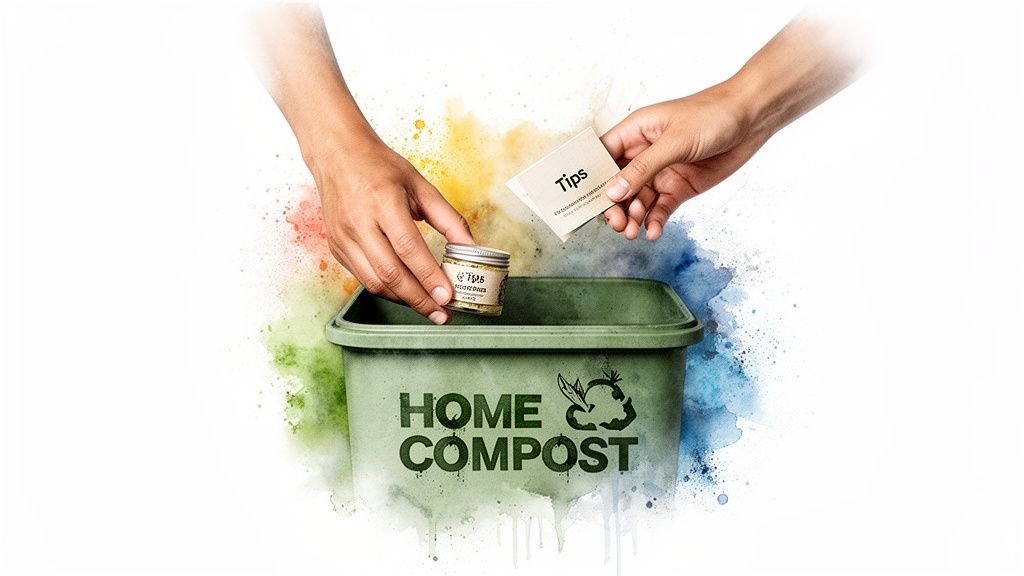
If your packaging is marked "home compostable," you get to see the circular economy in action right in your own backyard. It’s a fantastic way to close the loop. A home compost setup can be as simple as a small bin or a dedicated corner where you mix "greens" (like kitchen scraps) with "browns" (like dry leaves and your compostable packaging).
Composting at home does more than just divert waste from landfills—it creates nutrient-rich soil for your garden. It’s a genuinely rewarding process, turning an empty container back into something that helps nature thrive.
Even if you don't compost, you can still give containers a second life. A beautiful glass jar, for example, is perfect for holding homemade body scrubs or organizing small items. If you need some ideas, you’ll find plenty of great DIY recipes for your self-care routine. By supporting transparent brands and helping your packaging complete its journey, your beauty routine becomes a force for good—for both you and the planet.
Common Questions on Biodegradable Packaging
Stepping into the world of sustainable beauty often brings up a few questions. As we all become more aware of how our choices affect the planet, it’s only natural to want to know what "biodegradable" really means for our cosmetic products and the environment.
Think of this as a straightforward chat to help you feel more confident in your sustainable beauty journey. We'll tackle some of the most common curiosities, breaking down the essentials of eco-friendly packaging.
Is Biodegradable Always Better Than Recyclable Packaging?
That's a great question, and the answer isn't as simple as a yes or no. The truth is, neither option is automatically "better" across the board. The best choice really depends on the material itself and, just as importantly, the waste management systems available where you live.
Biodegradable packaging is designed to break down and return to the earth. But here's the catch: many of these materials need very specific conditions to biodegrade properly, like the high heat and microbes found in an industrial composting facility. If they end up in a landfill, deprived of oxygen, they can mummify and stick around for a very long time, just like regular plastic.
Recyclable materials, like glass and aluminum, are designed for a different lifecycle—a circular one. The goal is to collect them so they can be reprocessed into new things, which helps conserve natural resources. The most sustainable choice is often the one you can dispose of correctly in your local area.
How Can I Tell if Packaging Is Truly Biodegradable?
It can be tough to sort through all the green marketing claims, but a few key things can help you spot the real deal. The most reliable indicators are third-party certifications from organizations that have actually tested and verified the material's claims.
Look for official symbols like the BPI (Biodegradable Products Institute) certification or labels like 'OK compost' from TÜV AUSTRIA. These logos mean the packaging has passed strict, scientific standards for how it breaks down.
Beyond certifications, pay attention to how a brand talks about its packaging. Are they transparent? A brand truly committed to sustainability will usually provide specific details about its materials and clear disposal instructions on its website or the product itself. Be wary of vague, feel-good terms like 'eco-friendly' or 'earth-kind' without any proof to back them up. Clear information is almost always a good sign.
Will Biodegradable Packaging Affect My Beauty Products?
This is a critical point, and it's something responsible brands take very seriously. The number one job of any cosmetic container is to protect the formula inside—to keep it safe, stable, and effective from the first pump to the last drop.
Thankfully, the science behind biodegradable materials has come a long way. Many modern options are specifically engineered to provide an excellent barrier against air, light, and bacteria, protecting a wide range of cosmetic formulas. Brands run extensive tests to make sure the packaging they choose maintains the product's quality, texture, and performance throughout its shelf life. When you buy from a reputable brand, you can trust they’ve chosen packaging that cares for the product just as much as it cares for the planet.
Why Isn't All Cosmetic Packaging Biodegradable Yet?
Getting the entire beauty industry to switch to biodegradable packaging is a massive undertaking, and it’s a gradual process for a few practical reasons. It's a journey of continuous innovation, not an overnight switch.
First, some complex or light-sensitive formulas need highly specialized protection that today's sustainable alternatives can't yet provide. Second, moving to completely new materials often means overhauling entire manufacturing lines, a huge investment for any company.
Finally, for biodegradable packaging to work as intended, we need the infrastructure to support it—namely, widespread access to industrial composting facilities. The good news? The pace of innovation is picking up fast. As more shoppers demand biodegradable packaging for cosmetics, the industry is pushed to keep moving in the right direction.
At ArtNaturals, we believe in creating products that are kind to you and the planet. Explore our collection of clean, plant-powered beauty and wellness essentials designed to harmonize your self-care routine with nature.