

You're standing in front of a shelf of glowing bottles, each promising smoother, brighter, more youthful-looking skin. One label highlights retinol, another vitamin C, another hyaluronic acid. Your skin, meanwhile, may be dry around the cheeks, shiny by midday, or quick to sting whenever you try something new. Choosing among the best face serums anti aging isn't about finding the strongest formula. It's about finding an effective product your skin can comfortably use often enough to become part of real life.
Why the Right Serum Can Change Your Routine
A serum can make a routine feel more purposeful without making it longer. After cleansing, you apply a small amount of a lightweight formula designed around one main goal, such as hydration, uneven tone, dullness, or the appearance of fine lines. Moisturizer then supports comfort, while sunscreen helps protect the skin during the day.
That focused role is different from a moisturizer's broader job. A cream generally helps soften the skin and reduce moisture loss. A serum gives you a way to choose a specific type of support, whether that means water-binding ingredients for a dehydrated feel or an antioxidant formula for a brighter-looking complexion.
A useful starting point: Choose one serum for your main concern before adding products for secondary goals.
Concentrated does not mean aggressive
The anti-aging serum category is now a central part of facial skincare rather than a narrow specialty. One facial serum market estimate placed the global market at USD 7.32 billion, with anti-aging serums representing 35.12% of market share in 2024. Other estimates in the same market coverage put anti-aging serums at 32.0% of facial serum revenue in 2025, while another outlook valued the segment at USD 1.9869 billion in 2025 and projected it to reach USD 3.5188 billion by 2033, at a 7.5% CAGR.
Those figures describe commercial demand, not a promise about what any individual product will do. They do show why shoppers now have so many textures, active ingredients, and delivery systems to choose from. The better question isn't “Which bottle is most powerful?” It's “Which formula addresses my concern without leaving my skin tight, hot, or uncomfortable?”
A well-formulated serum can support a gentle self-care ritual. You cleanse, apply a measured amount, pause for a moment, and finish with a moisturizer that suits your skin. That rhythm is more sustainable than constantly switching between intense products.
Why the category feels so advanced
Vitamin C helped shape the modern anti-aging serum. According to an industry profile, SkinCeuticals launched Serum 10 in 1997 as its first stabilized, pure L-ascorbic acid topical antioxidant product. A related formulation study appeared in 2001, and the brand launched C E Ferulic in 2005, a product that became a longstanding bestseller and helped establish the antioxidant serum model used throughout the category. These milestones are documented in the history of facial serums.
Today's formulas often combine ingredients because different concerns overlap. Hydration can make skin look temporarily fuller, antioxidants can support a brighter appearance, and retinoids can improve the look of texture over time. The most suitable product is the one that gives your skin useful support while preserving the calm, comfortable feeling that makes daily use possible.
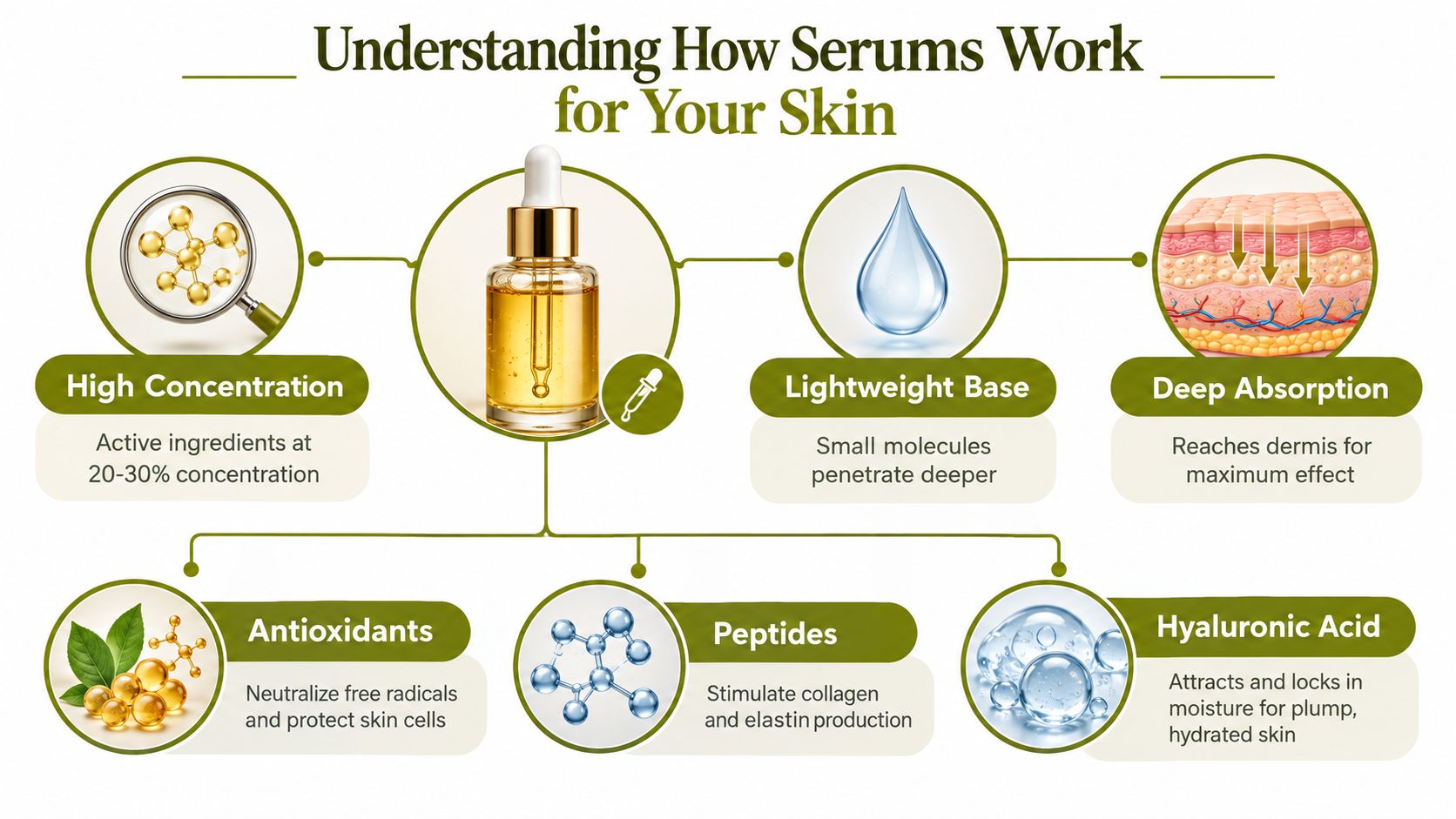
Understanding How Serums Work for Your Skin
Serums are usually built with a lightweight base and a concentrated selection of functional ingredients. That texture helps them spread easily and sit comfortably beneath moisturizer, but “deeper absorption” shouldn't be treated as a universal promise. An ingredient's behavior depends on its molecular size, formulation, concentration, stability, and the condition of your skin barrier.
Smaller molecules may move through the outer layers more readily than larger ones. Other ingredients mainly remain near the surface, where they bind water, soften roughness, or form a supportive film. Both roles can matter. A product doesn't need to reach the deepest layers of skin to improve the way your complexion looks and feels.
Concentration is only one part of performance
A high concentration can make a formula more active, but it can also increase the chance of discomfort. Stability matters just as much. Vitamin C, for example, needs thoughtful formulation to remain useful, while retinoids need packaging and handling that help preserve their quality.
The base also changes the experience. A water-based serum may feel weightless and suit someone who dislikes rich layers. An oil-based serum may feel more cushioning, particularly when the skin feels dry. Neither texture is automatically better. The right choice depends on what you'll apply consistently and what your skin can tolerate.
For readers comparing product categories, this explanation of the difference between serum and moisturizer offers a helpful reminder: the two products can complement each other, but they serve different purposes.
What the ingredients are doing
Think of a serum as a delivery system rather than a single magic ingredient. Antioxidants help support the skin against everyday environmental stressors. Peptides are used in formulas designed to support a firmer-looking appearance. Hyaluronic acid attracts water and can make the surface feel cushioned.
Topical hyaluronic acid has demonstrated a particularly hydration-focused role. One clinical evaluation recorded an immediate 134% increase in skin hydration and a sustained 55% increase at week 6, with improvements in smoothness, plumping, hydration, fine lines, and wrinkles. The full findings are available in this clinical evaluation of topical hyaluronic acid. The practical interpretation is simple: HA is most useful for a hydrated, plumper-looking surface, not as a substitute for ingredients aimed at longer-term structural changes.
You can also browse a curated skin renewal collection when you want to compare products built around different approaches to everyday skin support. Read the ingredient list, consider the texture, and avoid assuming that a more complicated formula will suit you better.
Key Ingredients to Look for in Anti-Aging Serums
A serum works best when its ingredients match your skin's needs and tolerance. Start by choosing a priority: hydration, antioxidant support, uneven-looking tone, texture, or barrier comfort. Several actives can share one formula, yet a simpler plan is often easier to use consistently.
Retinol and vitamin C serve different purposes
Retinol is commonly chosen for fine lines, wrinkles, texture, and uneven tone. It supports the skin's natural exfoliation process and may feel more comfortable when paired with hyaluronic acid. The Skin Renewing Retinol Serum from CeraVe shows how retinol and HA can appear together in one formula.
Strength matters less than how well your skin tolerates the product. In a controlled 12-week facial study, daily 0.3% and 0.5% retinol serums both reduced the appearance of hyperpigmentation, unevenness, and wrinkles, while the 0.5% formula caused more irritation. The retinol study published through PubMed supports a useful rule: choose the concentration you can use comfortably and consistently, rather than automatically selecting the stronger option.
Vitamin C is often used for dullness and an uneven-looking complexion. Stabilized topical formulas helped bring antioxidant skincare into everyday routines, but the formula's packaging and design affect how well it remains usable over time. A product that feels irritating or changes noticeably may be a poor match, even when its ingredient list looks impressive.
Hydrators, barrier supporters, and peptides
Hyaluronic acid is a humectant. It attracts and holds water at the skin's surface, which can help when your face feels tight or looks temporarily less plump. Apply it to freshly cleansed skin, then use moisturizer to add a protective layer. This guide to using hyaluronic acid serum explains that placement in practical terms.
Niacinamide, a water-soluble form of vitamin B3, is used for its soothing qualities. It can support the moisture barrier and make discoloration look less noticeable. One retinol formula combines niacinamide, sodium hyaluronate, and retinol, as shown in La Roche-Posay's Retinol B3 ingredient information.
Peptides suit routines focused on a smoother, firmer-looking appearance. They appear in formulas intended to support the look of skin over time, although peptide blends differ. The Peptide Warehouse USA skin peptide guide provides a plain-language overview of peptide types.
| Your main priority | Ingredients to consider | Texture or tolerance cue |
|---|---|---|
| Dry, tight-feeling skin | Hyaluronic acid, squalane, ceramides | Choose a comfortable layer that doesn't leave you feeling stripped |
| Dullness and uneven-looking tone | Vitamin C, niacinamide | Favor a stable, well-packaged formula |
| Fine lines and texture | Retinol, peptides | Start gently and avoid stacking several strong actives |
| Easily reactive skin | Niacinamide, ceramides, gentle hydrators | Keep the formula simple and patch test first |
Ingredients work as a routine, not in isolation. Retinol may address texture, while moisturizer helps maintain comfort. Vitamin C may suit the morning, and retinol may suit the evening. The most effective combination is one your skin accepts and you can keep using.
How to Layer Serums for Maximum Benefit
Application order can prevent a routine from feeling heavy and confusing. Start with clean skin, use the thinnest formula first, and finish with products that create more cushion. If you use more than one active, don't assume they all need to be applied together.
A simple layering sequence
- Cleanse gently. Remove sunscreen, makeup, and surface buildup without scrubbing aggressively.
- Apply toner if you use one. Give it a brief moment to settle rather than immediately flooding the skin with several layers.
- Use the lightest water-based serum. A vitamin C or hydrating formula commonly fits here.
- Apply a thicker serum if needed. An oil-based or more nourishing formula generally follows a watery layer.
- Treat the eye area carefully. Keep products away from the eyes unless they're specifically designed for that area.
- Finish with moisturizer. In the morning, sunscreen follows moisturizer and should remain the final protective step.
The skin care layering guide offers another practical way to think about order. The broad rule is to move from lighter to heavier textures, but your skin's response matters more than rigid timing.
How to avoid overloading your skin
You don't need to use every active in one routine. Try vitamin C in the morning and retinol in the evening, or use a hydrating serum alongside one targeted active. If a product stings, causes persistent redness, or leaves your skin unusually tight, pause and simplify rather than adding another product to “fix” the feeling.
Layering principle: Use enough product to spread comfortably, not enough to make your skin feel coated.
Moisturizer is the final comfort step. In a morning routine, sunscreen follows it, as outlined in Cleveland Clinic's skin care product order. This placement helps keep the protective product on top of the routine rather than burying it beneath later layers.
Building a Routine That Fits Your Lifestyle
A routine works best when it matches your mornings, evenings, and tolerance level. Someone with dry skin may enjoy a hydrating serum under a richer moisturizer, while someone with an oily or combination complexion may prefer a light, fast-spreading formula. Sensitive or barrier-impaired skin usually benefits from fewer changes and a slower pace.
Match the serum to your daily reality
Start with the concern you notice most often. If your skin feels dry after cleansing, choose hydration before reaching for a strong texture-focused active. If dullness is your main frustration, an antioxidant serum may feel more relevant. If fine lines are your focus, retinol or peptides may deserve consideration, but the formula still needs to suit your tolerance.
For dry or dehydrated skin, begin with hyaluronic acid or a nourishing serum, then seal it with moisturizer. Squalane can provide a softer, more emollient finish when a water-light product feels insufficient.
For oily or combination skin, look for a light serum that doesn't leave a greasy layer. Niacinamide may suit routines focused on the look of pores, oil balance, and uneven texture.
For sensitive skin or visible redness, resist the urge to correct every concern at once. A barrier-supportive formula with gentle hydration and niacinamide may be a calmer starting point than a routine built around several exfoliating or retinoid products.
Two routines that stay manageable
A morning routine can be short:
- Cleanser: Use a gentle wash suited to your skin.
- Serum: Apply vitamin C, niacinamide, or a hydrating formula based on your main goal.
- Moisturizer: Choose a finish that feels comfortable under makeup or alone.
- Sunscreen: Make it the final morning step.
An evening routine can focus on renewal and recovery:
- Cleanser: Remove the day without harsh friction.
- Targeted serum: Use retinol on selected evenings, or choose peptides and hydration when your skin needs a quieter night.
- Moisturizer: Finish with a barrier-friendly layer.
Consistency doesn't require a complicated schedule. If you travel, work irregular hours, or frequently exercise, keep the routine portable and repeatable. A cleanser, one serum, moisturizer, and daytime sunscreen may serve you better than a crowded shelf of products you rarely use.
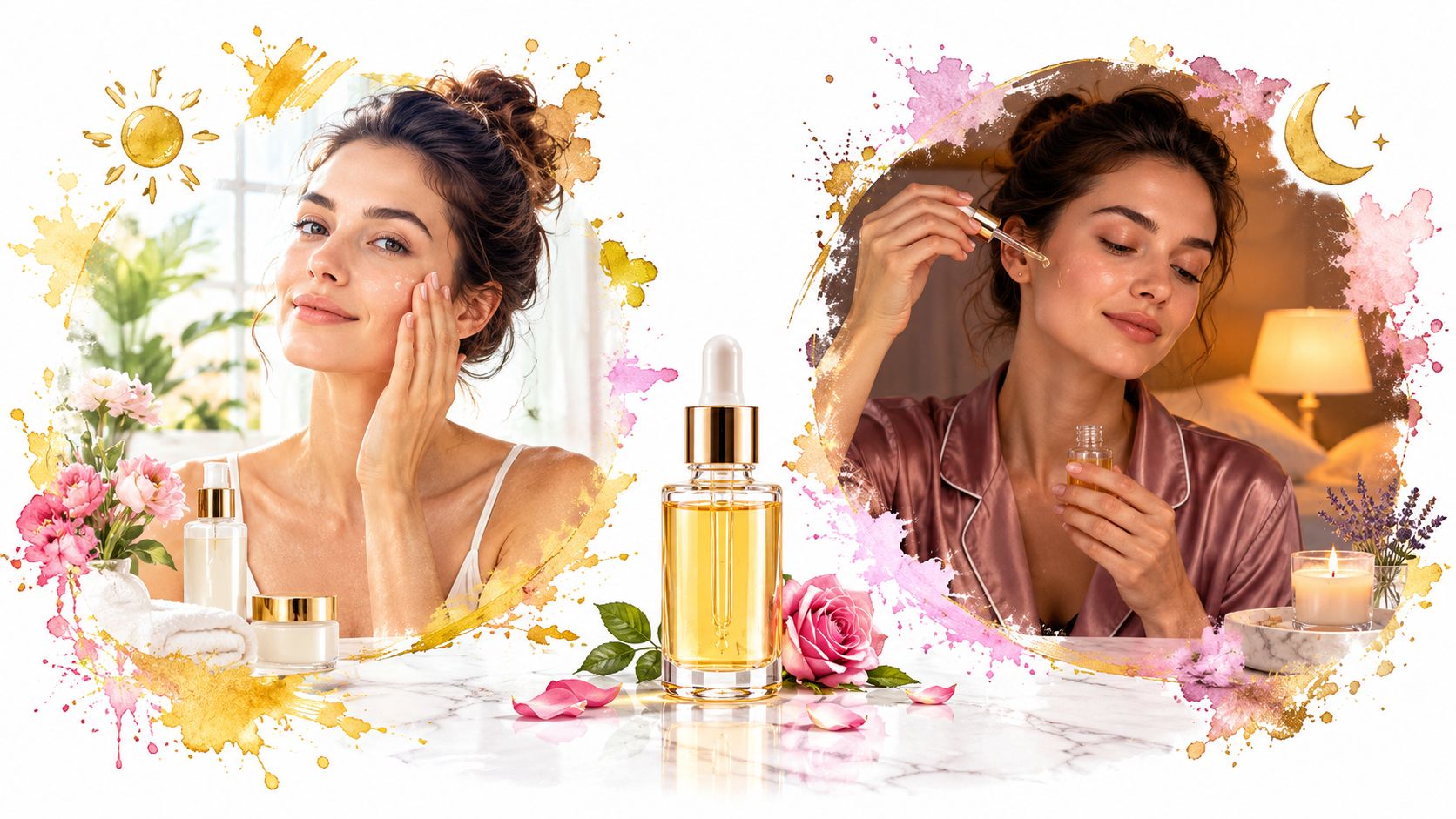
For a visual demonstration of how daytime and nighttime application can fit into a self-care rhythm, watch the video below.
ArtNaturals offers options such as Vitamin C, Retinol, Hyaluronic, and Niacinamide serums, along with an anti-aging trio that brings several of those formats together. Treat that selection as a way to compare ingredient roles, not as a reason to use every serum at once.
Gentle Introduction to Active Ingredients
A serum can look impressive on its label and still be a poor match for your skin. Retinol and vitamin C may support an anti-aging routine, yet tolerance matters as much as ingredient strength. Introduce one active at a time so you can tell whether your skin is benefiting or becoming irritated.
Patch testing gives you a cautious starting point. Apply a small amount to an inconspicuous area, such as along the jaw, and observe your skin before applying the product to your entire face. This cannot rule out every reaction, but it can reveal early discomfort with less disruption to your routine.
Start with less, then observe
Use a new active on limited evenings rather than making it a daily habit immediately. If your skin stays comfortable, increase use gradually according to the product's directions. Keep familiar products in place during this period. Changing several formulas together makes it harder to identify the cause of a reaction.
Retinol shows why stronger is not automatically better. In a controlled 12-week study, both 0.3% and 0.5% formulas improved the appearance of wrinkles, hyperpigmentation, and unevenness. The stronger formula also caused more irritation, as reported in the PubMed study. Your most effective serum may be the one you can use consistently.
Gentle progress is still progress. A comfortable formula has more practical value than an intense product you soon abandon.
Avoid starting multiple new actives during the same period. If discomfort persists, stop the new product and return to a simple cleanser, moisturizer, and daytime sunscreen routine. Seek advice from a qualified healthcare professional for ongoing or significant concerns.
ArtNaturals offers formulas featuring Vitamin C, Retinol, Hyaluronic Acid, and Niacinamide. Visit ArtNaturals to compare its serum and anti-aging collections, then choose one product that suits your main concern and tolerance.