

It can be unnerving to see more hair in your brush than usual, but please know, you're not alone in this. For women, changes in hair fullness can be influenced by many things, from our genetics and hormones to our lifestyle and daily habits. Getting to the root of what's going on is a great first step.
A Gentle Guide to Female Hair Thinning
Hair thinning is a deeply personal experience. It often starts with noticing subtle changes in your body's natural rhythms. The goal isn't to find an overnight fix but to truly understand what your hair needs right now.
Think of this guide as a calm, supportive space to learn. We'll gently walk through the hair growth cycle and explore some common reasons—from family history to simple lifestyle shifts—that can lead to thinning. Our aim is to empower you with knowledge so you can nurture your hair with gentle care.
The Most Common Reasons for Hair Thinning
Changes in your hair's fullness and density rarely come from just one thing. It's usually a combination of factors working together. Some of the most common influences include:
- Hereditary Patterns: Just like you inherit your eye color, a tendency for hair to thin over time can be passed down through your family tree.
- Hormonal Shifts: Big life events like pregnancy, the postpartum period, or menopause can bring hormonal changes, which often affect your hair's growth cycle.
- Periods of Stress: High levels of emotional or physical stress can push hair follicles into a "resting" phase, causing more shedding than usual a few months down the line.
- Daily Styling Habits: Overdoing it with heat styling, chemical treatments, or pulling your hair into tight styles can put a lot of strain on your hair strands and follicles.
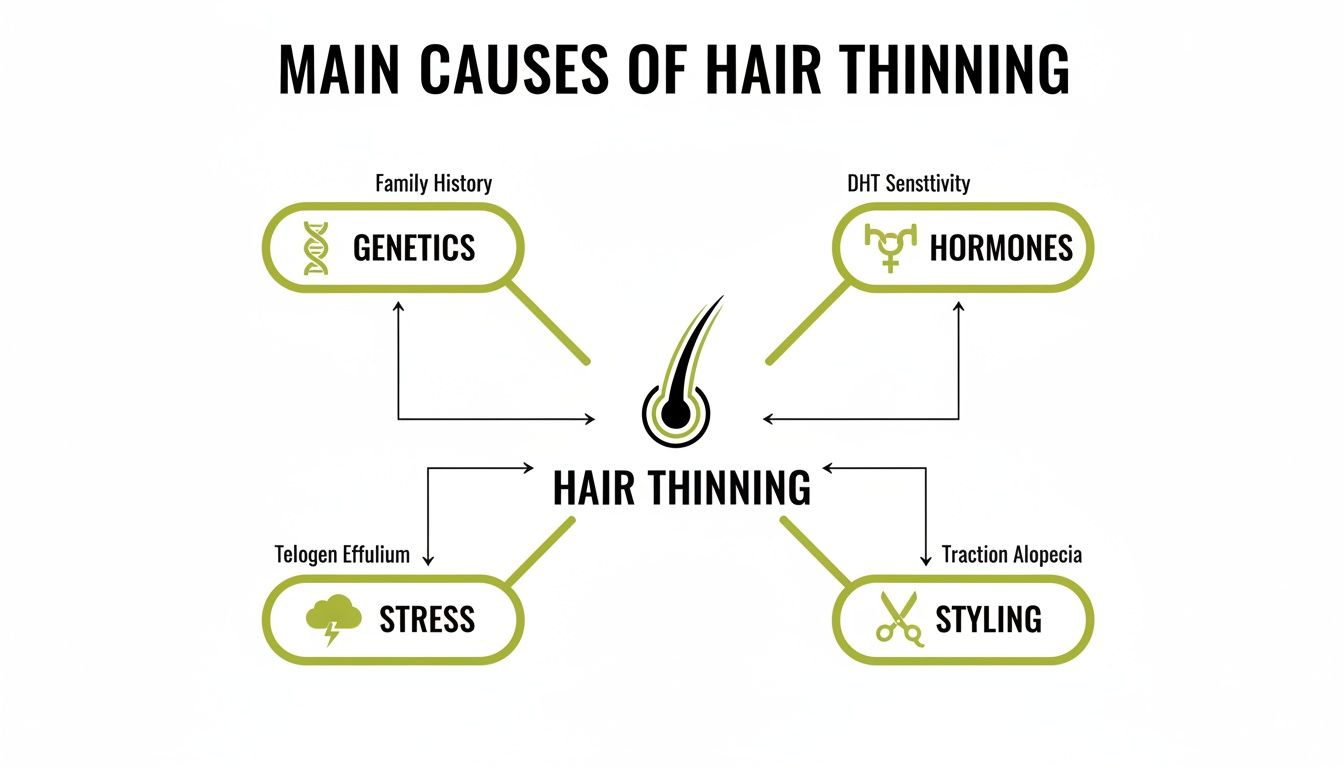
As you can see, these causes are often linked, reminding us that our hair's health is a direct reflection of our overall well-being.
Here’s a quick look at the primary reasons women may experience hair thinning, from hereditary patterns to daily lifestyle habits.
Common Factors Influencing Women's Hair Health
| Factor | What It Means for Your Hair | Common Triggers |
|---|---|---|
| Genetics | You may have a family predisposition to hair thinning over time. | Family history (on either side). |
| Hormones | Fluctuations can disrupt the hair growth cycle, leading to temporary shedding. | Pregnancy, postpartum, menopause. |
| Stress | Pushes follicles into a premature resting phase, causing noticeable shedding later. | Emotional stress, illness, rapid weight loss. |
| Styling & Treatments | Physical damage to the hair shaft and follicle can cause breakage and loss. | Tight hairstyles, frequent heat, chemical processing. |
| Nutrition | A lack of key vitamins and minerals can impact hair structure and growth. | Diets low in iron, zinc, or biotin. |
Understanding these potential triggers is the first step toward addressing them with a nurturing approach.
For a deeper dive into these topics, this guide on the essential causes of thinning hair in women is a fantastic resource that offers more context.
Understanding the 'why' behind hair thinning is the most powerful tool you have. It shifts the focus from worry to proactive, gentle care that aligns with your body's needs.
Once you start recognizing these influences, you can build a hair care ritual that feels both nurturing and effective. It's about turning your daily routine into a small act of self-care.
Genetics and Hereditary Hair Patterns
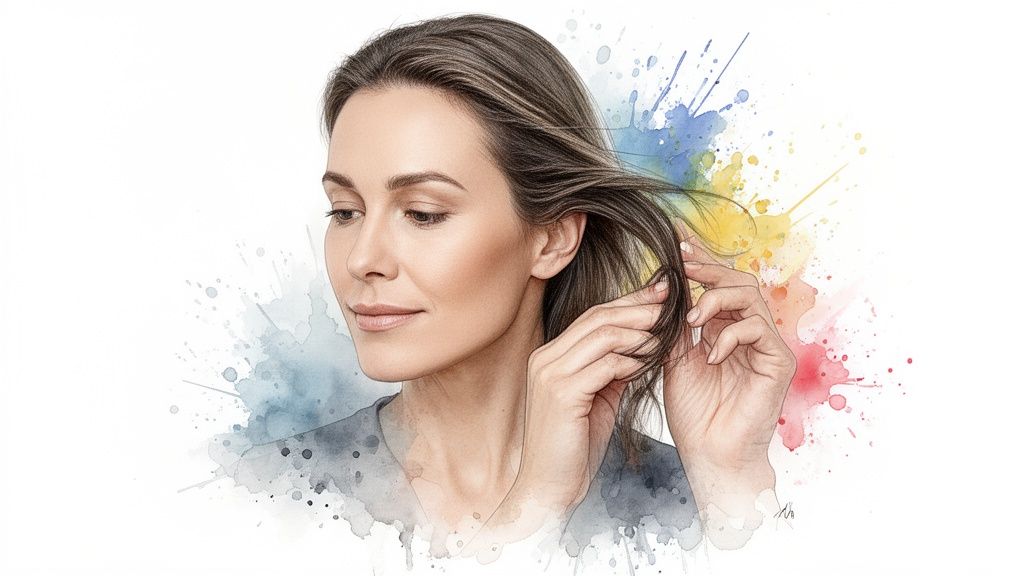
Sometimes, the story of our hair is written into our DNA long before we’re born. Just like you might inherit your mother’s smile or your father’s eye color, a tendency for hair to gradually become finer over time can be passed down through your family tree. It's actually one of the most common reasons women notice changes in their hair’s fullness.
It helps to reframe this not as "hair loss," but as a unique, inherited hair pattern. It’s simply how your hair is predisposed to change over the years. Understanding this genetic side of things can shift your perspective from worry to proactive, loving care.
Your Hair’s Inherited Blueprint
This hereditary pattern almost never causes sudden bald spots. Instead, it’s a much more subtle, gradual thinning that you might first notice along your part or at the crown of your head.
Think of each hair follicle as a tiny flowerpot. For some of us, our genes make these "pots" more sensitive to our body's own natural hormones. Over many years, this sensitivity can cause the follicles to shrink a little bit. With each new growth cycle, the hair that comes out is just slightly finer and shorter than the one before it. It’s a very slow process that unfolds over decades.
This genetic influence is incredibly common. While only a small percentage of women might see this pattern by age 30, that number grows as women move through life. You can find more details on these hair loss statistics on scandinavianbiolabs.co.uk.
Embracing your genetic blueprint means working with your hair, not against it. It's all about creating the most nourishing environment possible so your hair can be its healthiest self, whatever its natural tendency might be.
Nurturing a Healthy Scalp Environment
While you can’t change your genes, you absolutely have power over the environment where your hair grows. Focusing on scalp wellness is a beautiful and powerful way to support your hair’s vitality, especially when you have a hereditary predisposition to thinning. After all, a healthy scalp is the foundation for healthy hair.
Here are a few simple ways to build a nurturing routine:
- Gentle Scalp Massages: A regular massage is a wonderful way to invigorate the scalp. Just use your fingertips to apply gentle pressure in small circular motions for a few minutes each day. It’s a simple ritual that can become a calming moment of self-care.
- Mindful Cleansing: Steer clear of harsh shampoos that can strip your scalp of its protective natural oils. Instead, reach for gentle, sulfate-free formulas that cleanse without causing irritation, helping you maintain a balanced scalp ecosystem.
- Nutrient-Rich Support: Look for products with ingredients known for their supportive properties. Plant-powered oils can provide a fantastic boost to your scalp care ritual.
The Power of Plant-Powered Ingredients
For anyone looking to give their scalp some extra love, certain botanical ingredients have been celebrated for centuries for their nourishing benefits. They are a perfect fit for a wellness-focused approach to hair care.
Rosemary Oil: This fragrant herb is a true staple in hair wellness. It’s cherished for the revitalizing sensation it brings to the scalp, leaving it feeling refreshed and balanced.
Castor Oil: Full of rich fatty acids, Castor Oil is deeply moisturizing. It helps coat the hair shaft, giving it a feeling of strength and resilience—something that’s especially helpful for finer hair textures.
By welcoming these kinds of supportive ingredients into your routine, you’re making a conscious choice to honor your hair's unique needs. It’s about empowering yourself with a gentle, plant-focused ritual that helps your hair truly thrive.
How Hormonal Shifts Impact Your Hair
Our bodies are run by an intricate network of hormones, the silent messengers that manage everything from our mood to our metabolism. It's no surprise, then, that they also play a huge role in the health of our hair. Big life events—pregnancy, childbirth, menopause—all come with major hormonal ebbs and flows, and it's during these times you might notice your hair's thickness and texture changing. This is completely normal and, frankly, part of the journey.
Think of your hair's growth cycle as a choreographed dance. When hormones like estrogen are at optimal levels, the dance is graceful and synchronized. But when those levels suddenly spike or plummet, they can throw off the rhythm, pushing a large number of hair follicles into their "resting" phase all at once. This is what can lead to noticeable shedding.
The Postpartum Shed
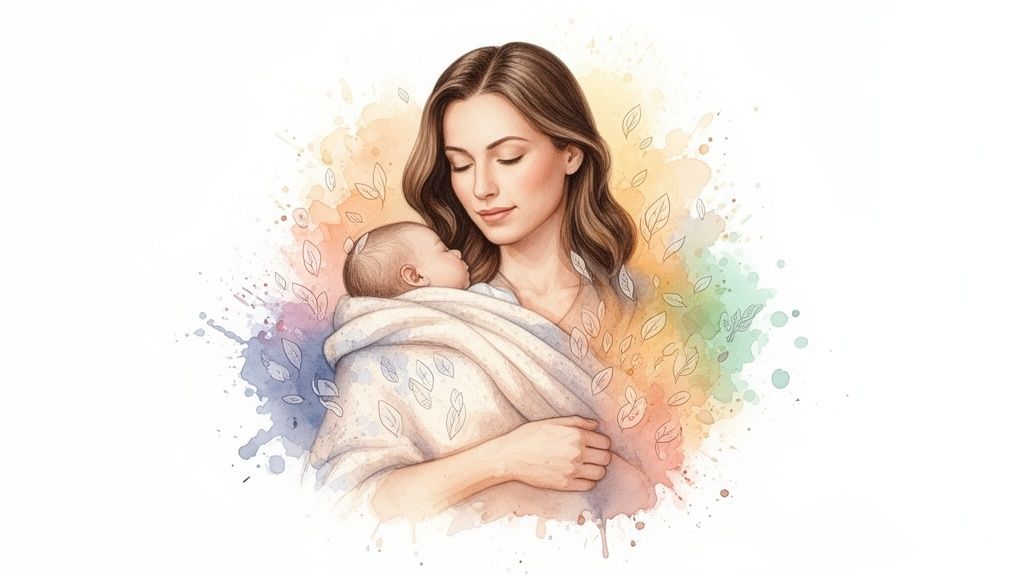
If you’re a new mom, you might remember the incredible, full-bodied hair you had during pregnancy. That wasn't just a happy coincidence! Higher estrogen levels actually extend your hair's growth phase, meaning you shed far less than usual. It’s one of the nicer side effects of pregnancy hormones.
But after delivery, those estrogen levels take a nosedive. This sudden drop is a signal for all that extra hair—the hair that would have naturally shed over the past nine months—to exit at the same time. This is why so many women see a major increase in shedding around three to six months after giving birth.
It’s so important to remember this is a temporary phase. Postpartum shedding is just your body hitting the reset button on its natural cycle. The best thing you can do is be kind to yourself and gentle with your hair as it recalibrates.
Menopause and Hair Changes
Menopause is another one of life's major hormonal milestones, and it brings its own set of changes for our hair. As we go through this transition, estrogen levels begin to decline. Since estrogen helps keep our hair in that active growing phase for longer, this decrease often leads to a gradual change in hair density and even texture.
For many women, this means hair might become finer, seem to grow more slowly, or just feel less full overall. It’s a completely natural process as your body finds its new hormonal equilibrium. In fact, these hormonal shifts are a leading contributor to hair changes in women. Life stages like postpartum and menopause, along with conditions like Polycystic Ovary Syndrome (PCOS), are notable triggers. If you're interested in the broader trends, you can explore hair thinning insights from Grand View Research.
How to Support Your Hair Through It All
You can’t stop hormonal fluctuations—they’re a part of life. What you can do is give your hair the support and resilience it needs with some mindful, gentle care. Think of your routine as an act of self-care, especially during these times of transition.
Here are a few ways to show your hair some extra love:
- Prioritize Moisture: Hormonal changes can sometimes make hair feel dry and brittle. Using products with deeply hydrating ingredients helps restore that softness and flexibility, which in turn reduces breakage.
- Style Gently: Give tight ponytails, buns, and braids a break. These styles pull on the scalp and can add extra stress to follicles that are already in a vulnerable state. Softer accessories and looser styles are your friends.
- Look for Nourishing Ingredients: Seek out products built around gentle, plant-powered ingredients. A well-thought-out routine helps create a healthy, balanced scalp—the perfect foundation for resilient hair.
A fantastic ingredient to look for is Moroccan Argan Oil. It's renowned for its incredible hydrating properties. It works by coating the hair shaft to seal in moisture, which leaves your hair looking shiny and feeling so much stronger as your body navigates its natural rhythms.
The Connection Between Daily Stress and Your Hair
Life’s pressures have a funny way of showing up where you least expect them—and for many of us, that place is our hair. The link between our emotional state and the health of our hair is a powerful one, a quiet reminder that what's happening on the inside often shows up on the outside.
When you go through a period of high stress—whether from a demanding job, personal struggles, or a big life change—your body can go into survival mode. It may start redirecting energy away from non-essential functions, like growing hair, to focus on keeping you going.
This can push a larger-than-usual number of hair follicles into their resting phase all at once. It’s like your body hits a pause button on hair production to conserve its resources. The strange part? You won't see the effects right away. The increased shedding usually shows up a few months after the stressful event, which can leave you wondering what’s going on.
Understanding this connection is the first real step. It reframes hair care as a part of a much bigger picture: self-care.
From Stress Management to Hair Wellness
Instead of zeroing in on the shedding itself, we can shift our focus to creating calm and restoring balance from within. A wellness-focused lifestyle is one of the most powerful tools you have to support your body's natural rhythms, including your hair's growth cycle. It’s not about grand gestures, but about the small, consistent acts of kindness you show yourself every day.
Stress is a common and often-overlooked trigger for hair changes in women. If you want to dig deeper into how stress can build up, you might find it helpful to explore the common causes of anxiety and see how they can ripple out to affect your whole system.
"Self-care is not an indulgence; it's a discipline. It’s about choosing to create a life you don't need to regularly escape from."
When you look at it this way, caring for your hair becomes a natural extension of caring for yourself.
Cultivating Calm in Your Daily Routine
You don't need to completely overhaul your life to find more peace. It’s all about weaving small, mindful rituals into your day that help soothe your nervous system and, in turn, create a healthier environment for hair to thrive.
Here are a few simple ideas to get you started:
- Mindful Moments: Just a few minutes of quiet reflection or deep breathing can work wonders. This simple act helps dial down your body's stress response and brings a little clarity to a hectic day.
- Nourishing Foods: What you eat provides the essential building blocks for strong, healthy hair. Focus on a balanced plate full of antioxidants, iron, and B-vitamins to give your follicles the fuel they need.
- The Ritual of Aromatherapy: Our sense of smell is directly linked to the parts of our brain that control mood and emotion. Simply inhaling a calming scent can have an immediate, noticeable effect.
Turning Your Routine into a Peaceful Escape
This is where self-care and hair care become one and the same. Your daily routine can be transformed from a list of chores into a cherished ritual that benefits both your mind and your hair. The gentle massage of a nutrient-rich serum into your scalp can become a meditative moment, helping you reconnect with your body.
Aromatherapy, in particular, is a wonderful way to find tranquility. Certain essential oils are known for their ability to promote relaxation and create a serene atmosphere. For example, adding scents like lavender or chamomile to your evening routine can signal to your body that it's time to unwind and let go of the day's stress.
By weaving these simple, calming elements into your life, you're not just managing stress—you're nurturing your hair from a place of genuine care.
How Styling Habits Affect Hair Fullness
The way we style our hair is a beautiful form of self-expression, but some of our go-to habits can put more stress on our strands than we realize. Over time, these routines can lead to breakage, making hair feel less full and vibrant. The good news is, once you understand the connection, you can strike a healthy balance between the looks you love and your hair's long-term health.
Think of each hair strand as a delicate silk thread. If you constantly pull or stretch it, it's going to weaken and eventually snap. This isn't usually hair loss from the root, but breakage along the hair shaft that thins out your overall volume. Pinpointing the sources of this strain is the first step toward a kinder styling routine.
The Impact of Tension and Tight Hairstyles
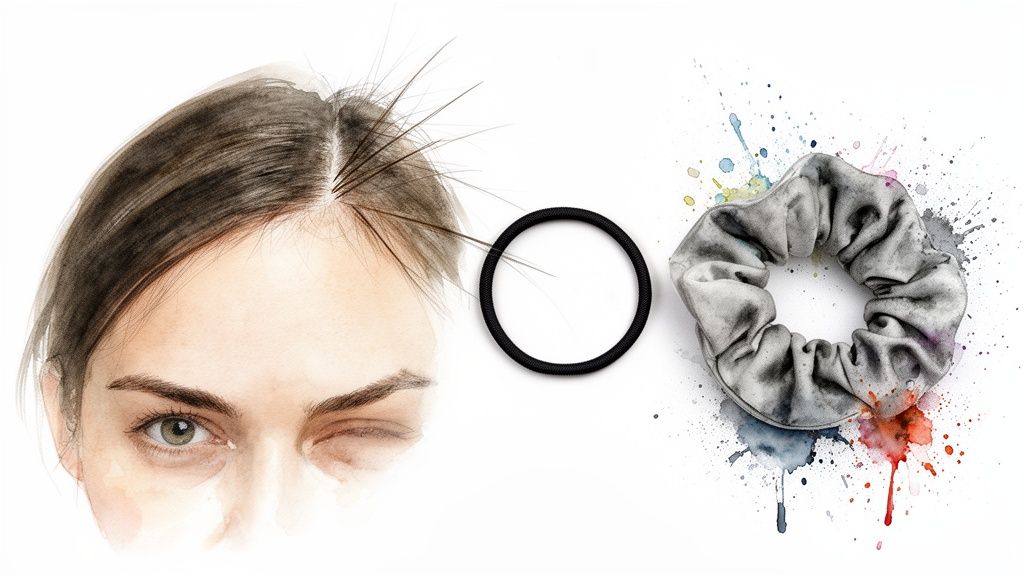
That chic, slicked-back ponytail or a tightly woven braid can look stunning, but wearing these styles day after day puts constant tension on your hair follicles. This relentless pulling can weaken the hair's anchor in the scalp, especially around the delicate hairline and temples.
This type of hair thinning is directly related to styling choices. And that puts the power to change things right back in your hands.
Giving your hair regular breaks from tight, pulled-back styles is one of the kindest things you can do for it. Try working looser looks into your weekly rotation to take the pressure off your follicles.
Gentle styling is a form of self-care. It’s about choosing routines that not only help you look your best but also support your hair's natural strength and vitality.
Heat Styling and Chemical Treatments
Your flat iron, curling wand, and blow dryer can also be culprits. High heat strips away the hair's natural moisture and damages the cuticle—the protective outer layer of the hair strand. This leaves hair brittle, dry, and far more likely to snap off.
In the same way, chemical treatments like coloring, bleaching, and straightening fundamentally alter the hair's structure. While the results can be gorgeous, these processes can compromise the internal bonds that give hair its strength, leaving it fragile.
Simple Swaps for Healthier Hair
You don't have to abandon your favorite styles. It’s really about making small, mindful adjustments that add up to a big difference in your hair’s health and resilience over time.
Here are a few gentle habits to weave into your routine:
- Vary Your Styles: Try not to wear the same tight hairstyle every single day. Switch between high ponytails, low buns, and leaving your hair down to give your follicles a much-needed rest.
- Choose Softer Accessories: Ditch the tight elastic bands for gentler options like fabric scrunchies or spiral hair ties. They create less friction and are far less likely to snag and break your hair.
- Embrace Air-Drying: Let your hair air-dry whenever you can. When you must use heat, always shield your strands with a heat protectant and stick to the lowest temperature setting that gets the job done.
Focusing on these positive, actionable steps can help you nurture your hair back to its strongest, fullest state. If you want to dive deeper, we have more tips on how to prevent hair breakage. It's all about finding that beautiful harmony between styling and care.
Nourishing Your Hair from Within
Healthy, resilient hair doesn’t just happen—it starts from the inside out. While the products we use are important, the real foundation for strong hair is built with the nutrients we give our bodies. Think of it as a direct and beautiful partnership between your diet and the health of your hair.
It’s a simple concept, really. You can’t build a sturdy house with weak materials, and the same goes for your hair. Your follicles are tiny factories that need a constant supply of quality building blocks to produce strong, healthy strands. When your plate is packed with hair-friendly foods, you're setting the stage for a thriving scalp and hair that can stand up to daily life.
This inside-out philosophy is the perfect complement to your daily hair care routine. A good diet provides the internal fuel, while a supportive scalp serum creates the ideal external environment for your hair to truly flourish.
The Building Blocks of Healthy Hair
So, what exactly do your hair follicles crave? Certain nutrients are absolute superstars when it comes to supporting the hair growth cycle. The great news is you don’t need a restrictive diet; it’s more about adding color and variety to your meals.
Here are a few of the most critical nutrients for hair wellness:
- Protein Power: Your hair is made almost entirely of a protein called keratin. Without enough protein in your diet, your body simply can't build strong strands. Look for lean meats, fish, eggs, beans, and nuts.
- The Importance of Iron: Iron is essential for carrying oxygen in your red blood cells. Your hair follicles need a rich oxygen supply to stay active and productive. You can find it in leafy greens like spinach, lentils, and red meat.
- Biotin and B-Vitamins: Biotin is probably the most famous "hair vitamin," and for good reason. It plays a key role in producing keratin, making it a vital nutrient for hair structure. Good sources include eggs, salmon, avocados, and sweet potatoes.
Creating a Hair-Loving Plate
Feeding your hair doesn't have to be complicated. It’s all about making small, consistent choices that build up over time. Just aiming for a colorful mix of whole foods is one of the most effective things you can do.
Your plate is a powerful tool for wellness. Every meal is an opportunity to provide your body—and your hair—with the foundational support it needs to thrive.
Focusing on a diet rich in vitamins and minerals is the cornerstone of any holistic health plan. This approach doesn't just benefit your hair; it also boosts your skin, energy levels, and overall well-being. It’s a powerful reminder of how interconnected our bodies truly are.
This internal nourishment works hand-in-hand with external care. While you’re enjoying iron-rich spinach salads, you can also explore the benefits of using the best oils for hair growth to create a complete, 360-degree circle of care for your hair.
Common Questions About Hair Wellness
When you start paying closer attention to your hair's health, it’s only natural for questions to pop up. Let's walk through some of the most common ones, so you can feel more confident on your hair wellness journey.
How Much Hair Shedding Is Normal in a Day?
Seeing strands in your brush or on the shower floor can be alarming, but shedding is a totally normal part of your hair’s life cycle. On any given day, losing between 50 and 100 hairs is considered perfectly healthy.
You might notice a bit more shedding on days you wash your hair, and that's okay too. The key is to pay attention to what's normal for you. If you suddenly see a major uptick in shedding that doesn’t let up, that's when it might be time to look into things a little further.
Can Hair Products Really Help with Thinning Hair?
While there's no magic potion that will instantly change thinning hair, the right products absolutely play a crucial supporting role. Think of your hair care routine as creating the perfect environment for healthy growth to flourish.
A thoughtfully chosen routine can help by:
- Nourishing the scalp with gentle, beneficial ingredients.
- Strengthening the hair you have to prevent breakage and hang on to your current fullness.
- Boosting volume and texture, which gives the immediate appearance of thicker, healthier hair.
The real goal is to work with your body, not against it. A mindful hair care ritual is about setting the stage for your hair’s health and wellness, supporting its natural processes every step of the way.
When Should I Consider Speaking with a Professional?
If you notice sudden, distinct bald patches, or if your scalp becomes red, itchy, or irritated, it’s a good idea to check in with a professional. And just as importantly, if the changes you're seeing are causing you a lot of stress or worry, seeking guidance is a powerful act of self-care.
A dermatologist or your primary healthcare provider can offer personalized guidance and help you understand what's happening on a deeper level.
Discover a gentle, plant-powered approach to hair wellness with ArtNaturals. Our nourishing formulas are designed to support a healthy scalp and help your hair look its vibrant best. Explore the collection at artnaturals.com.